


Canadian football has seen significant changes over the years, reflecting the dynamic nature of the sport. These rule modifications not only aim to improve the safety of players but also enhance the game’s competitiveness and entertainment value. Understanding how these changes impact the style of play can offer valuable insights into team strategies and preparation, while approaches like aggregate betting offer a unique perspective on performance metrics and trends.
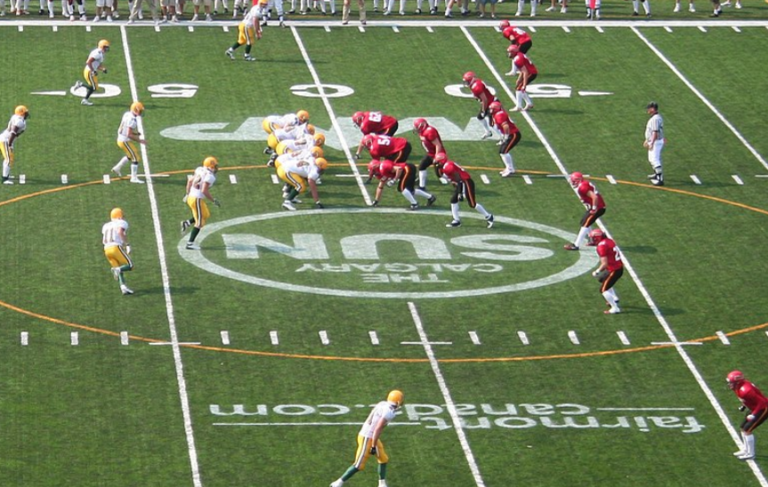
Recent Rule Changes and Their Implications
In the last decade, several key changes have been introduced in Canadian football, affecting how teams approach the game. For example:
- Targeting and Player Safety: To reduce the risk of concussions, stricter penalties for helmet-to-helmet hits have been enforced. Players must now be more cautious with tackles, prioritizing technique over sheer aggression. This adjustment has led to an emphasis on skill development in defensive players.
- Special Teams Adjustments: Rules around kickoffs and punts have been modified to minimize injuries. These changes encourage strategic placement and execution rather than relying on brute force to gain yardage.
- Time Management and Play Clock: Shorter play clocks and reduced timeouts aim to keep the game pace brisk. This alteration forces teams to streamline communication and decision-making processes during games.
These examples illustrate how rule changes directly influence the tactics and preparation of teams, requiring them to adapt to a constantly evolving playing field.
Shifting Strategies: Offense and Defense
The recent rule updates have pushed coaches and players to rethink traditional strategies. Here’s a closer look at the tactical shifts:
Offensive Play
- Quick Releases: Quarterbacks are now trained to make faster decisions, as defenses have less time to set up but are more aggressive in pressuring the QB.
- Spread Formations: Teams utilize wide receiver-heavy setups to exploit gaps in defensive zones, maximizing yardage opportunities.
- Enhanced Run-Pass Options (RPOs): Balancing running and passing plays has become critical, leveraging the unpredictability of offensive schemes.
Defensive Adjustments
- Zone Defense Over Man Coverage: To counter high-speed offensive plays, defenders rely more on zone strategies, reducing the risk of blown coverage.
- Athletic Linebackers: There’s a demand for linebackers who are fast and versatile, capable of covering tight ends and receivers alike.
Training Evolution: Preparing for Modern Challenges
The way teams train has also evolved. New rules demand athletes who are versatile and adaptable. Here are key areas of focus in modern training programs:
Emphasis on Player Safety
- Tackle Training: Coaching emphasizes safer tackling techniques, ensuring players lower their heads less frequently.
- Strength and Conditioning: Athletes undergo targeted workouts to minimize injury risks during high-impact collisions.
Increased Tactical Preparation
- Simulated Game Scenarios: Teams practice under realistic game conditions, including shorter play clocks and faster defensive setups.
- Film Study: Analyzing opponents’ tendencies helps teams exploit weaknesses, a tactic increasingly vital given the pace of modern games.
The Role of Analytics
Analytics has transformed Canadian football, influencing everything from play-calling to player recruitment. Some statistics showcase the impact of rule changes:
- Completion Rates: Quarterback completion percentages have risen by nearly 8% in the past decade due to quicker releases and shorter routes.
- Special Teams Success: Teams now score approximately 15% more points on special teams due to strategic placement and better preparation.
- Fewer Penalties: Enhanced training reduces infractions, with the average penalties per game dropping by 12% over five years.
Analytics doesn’t just quantify performance; it shapes it, guiding coaches in crafting game plans and optimizing player roles.
Challenges and Criticisms
While rule changes have clear benefits, they’re not without criticism. Here’s a breakdown:
- Increased Complexity: Coaches and players sometimes struggle to keep up with evolving regulations.
- Offensive Bias: Some believe the rules overly favor offensive teams, reducing defensive competitiveness.
- Traditionalist Concerns: Long-time fans argue that frequent changes detract from the sport’s original essence.
These points highlight the delicate balance between preserving tradition and fostering progress.
Conclusion
Rule changes are an integral part of Canadian football, shaping its style, strategies, and preparation. As the sport evolves, so do the challenges and opportunities it presents. Whether you’re a fan, player, or coach, staying informed about these shifts is essential to fully appreciating the game’s complexities. For more insights into the sport’s historical context, check out the comprehensive Wikipedia entry on Canadian football.
FAQ
How often do rules in Canadian football change?
Typically, rules are reviewed and updated annually or bi-annually by governing bodies.
Why are there stricter rules on player safety?
To reduce injuries, particularly concussions, ensuring players’ long-term health.
Do rule changes make the game more offensive?
Yes, many changes aim to increase scoring opportunities, though defenses are adapting as well.
What role do analytics play in adapting to rule changes?
Analytics guide tactical decisions, from play-calling to player fitness regimens.
Where can I find the official rules of Canadian football?
The Canadian Football League’s official website provides the most up-to-date rulebook
Advocating for football prospects one story at a time.


 Camp Spotlight: Harry Ainlay OT Bays living for the turf